
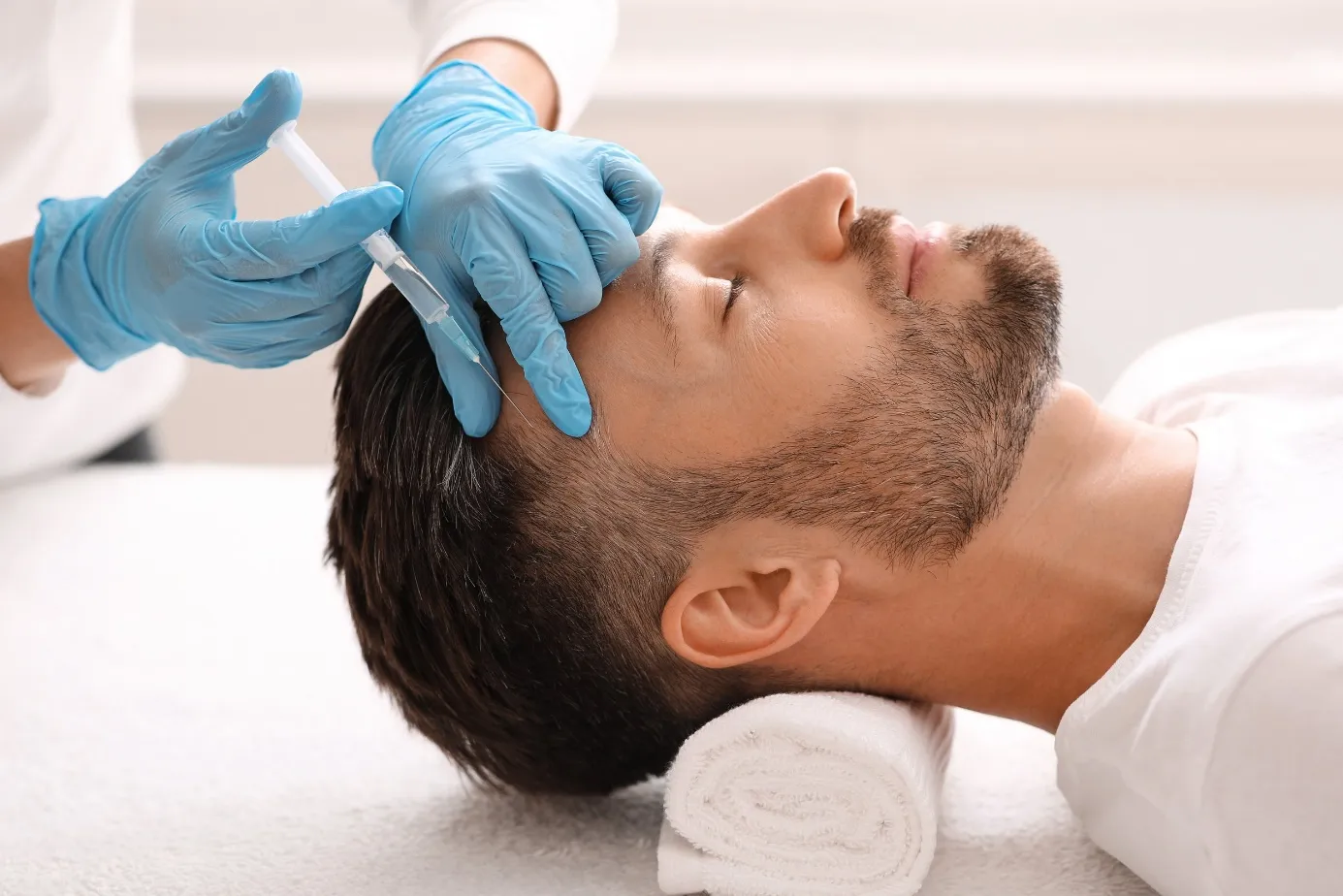
Hair thinning rarely follows a predictable timetable. Some people notice a widening part over several years, while others see extra shedding after illness or a major lifestyle change. The first response may be to buy a supplement or book a cosmetic procedure, yet identifying the cause is more useful. Professional hair loss treatment should begin with a discussion of symptoms, medical history, and realistic outcomes. Understanding how hair grows, what disrupts that cycle, and which options have evidence can help people make decisions without expecting an instant transformation.
Recognize Different Patterns of Change
Gradual thinning around the temples or crown may suggest a different issue from sudden shedding across the scalp. Some conditions cause distinct patches, while others involve inflammation, scaling, or tenderness. These differences matter because treatment approaches are not interchangeable.
Take photographs in consistent lighting if you want to document changes. Avoid assessing progress from a single picture taken after styling or washing. A qualified clinician can combine the observed pattern with relevant history and examination findings.
Consider Recent Health and Nutrition Changes
Stressful events, fever, surgery, hormonal changes, and certain medications can affect normal hair cycling. Shedding may become noticeable several weeks after a triggering event, making the connection easy to overlook. Not every episode means follicles have been permanently damaged.
Rapid weight loss, especially alongside inadequate protein or nutrient intake, can also contribute to shedding. That does not mean everyone who changes body weight will lose hair. If thinning follows major dietary changes, discuss your nutrition and symptoms with a healthcare professional instead of starting high-dose supplements without evidence of deficiency.
Know When Medical Assessment Comes First
Sudden bald patches, scalp scarring, significant irritation, or rapid changes warrant medical attention. A dermatologist may recommend examination or targeted tests based on symptoms rather than ordering the same laboratory panel for every patient.
Tell your clinician about recent illnesses, prescribed medicines, family history, and any scalp products that are irritating. Do not discontinue medication without speaking to the prescriber. Hair symptoms sometimes point toward conditions that cosmetic procedures cannot address.
Understand Platelet-Based Hair Procedures
Some aesthetic clinics offer platelet-rich plasma, or PRP, and platelet-rich fibrin, or PRF. Both use a processed sample of the patient’s blood, with concentrated components introduced into selected scalp areas by a trained clinician.
Research suggests PRP may improve some outcomes for certain forms of hair loss, but study protocols and results vary. Evidence for PRF remains more limited. Neither technique is appropriate for every cause of thinning, and neither guarantees regrowth or replaces diagnosis.
Prepare Questions Before Booking
A useful consultation should explain why the proposed option fits your particular pattern, what alternatives exist, and how improvement would be measured. Bring a short symptom timeline rather than relying on memory during the appointment.
Consider asking:
-
What is the likely reason for my hair changes?
-
Is medical testing or dermatology referral appropriate?
-
What evidence supports this procedure for my condition?
-
What discomfort, costs, and follow-up visits are involved?
-
When should we reassess whether it is helping?
Answers should be specific and should leave room for uncertainty. It is also reasonable to request a written explanation of the recommended treatment plan and its total expected cost. This helps when comparing options and deciding whether the commitment fits personal circumstances.
Avoid Mistaking Breakage for Shedding
Short broken strands can look similar to hair falling from the root, but the causes may differ. Heat styling, tight hairstyles, bleaching, and repeated friction can contribute to breakage without changing follicle activity.
Gentler handling may reduce further damage. Avoid aggressive brushing and styles that pull tightly for extended periods. These habits support hair care, but they cannot reverse every inherited or medical condition.
Follow Progress Without Obsessive Checking
Hair grows slowly, so meaningful change generally takes time to evaluate. Frequent mirror checks can make normal day-to-day differences feel larger than they are. Choose a consistent review schedule with the clinician if treatment begins.
Personal preference matters too. Some people pursue treatment, while others prefer styling changes or no intervention. The appropriate choice is the one made with clear information and without pressure.
Conclusion
Hair thinning deserves curiosity before commitment. Identifying the pattern, considering recent health changes, and seeking medical assessment when appropriate are more useful than immediately purchasing a popular remedy. Platelet-based procedures may be options for selected individuals, but expectations should remain realistic. For people exploring hair restoration consultations in Apple Valley, Minnesota, sanavittamedspa.com describes its PRP and PRF services. A careful approach respects personal priorities while making room for diagnosis, informed consent, and thoughtful follow-up.
