
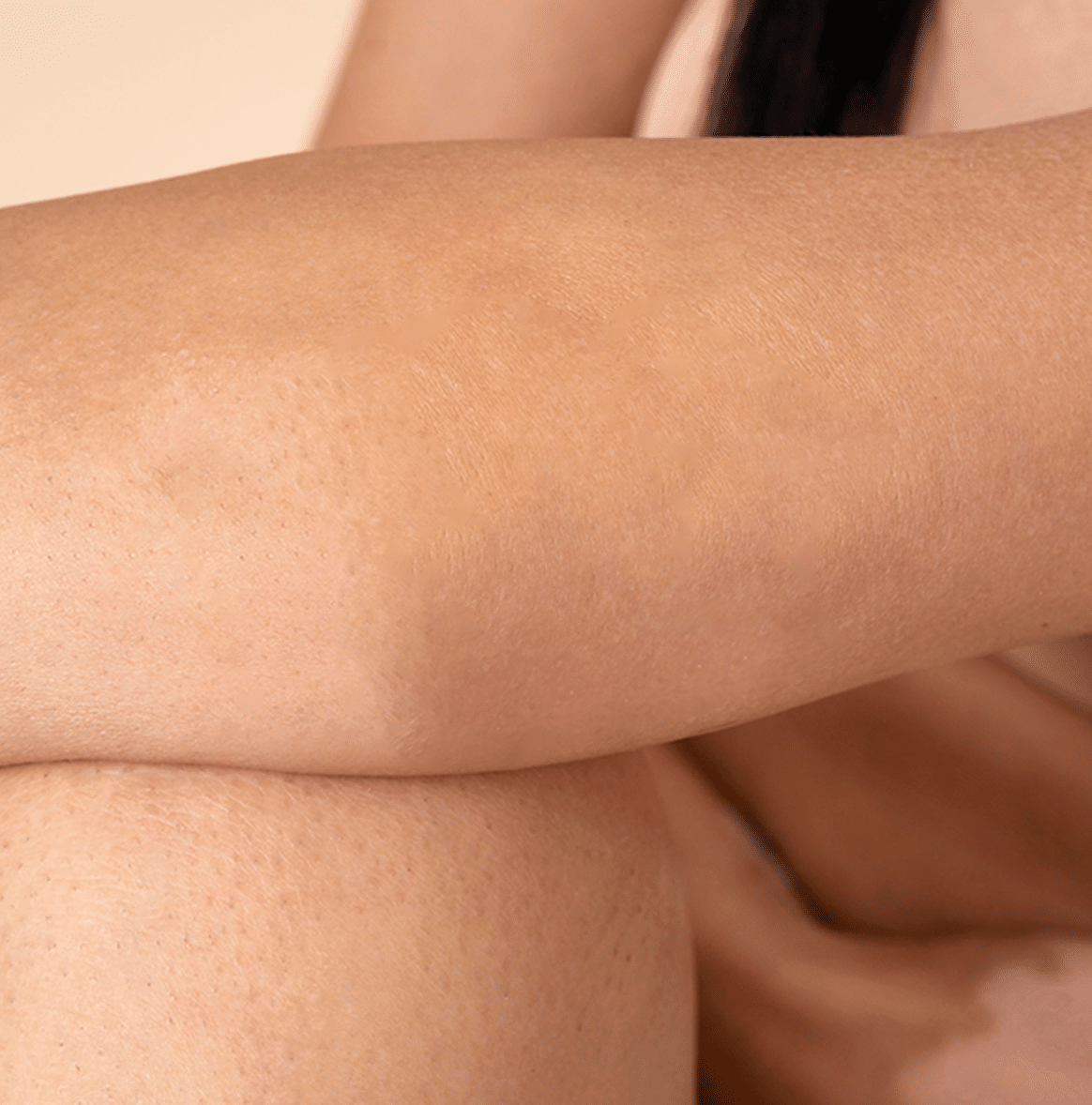
Visible changes in skin colour can come from very different causes. A stable vitiligo patch and a mature scar may both stand out because they contrast with the surrounding skin, but they do not behave in the same way. That difference matters when someone is considering a cosmetic camouflage treatment.
People researching a non surgical vitiligo treatment Dubai option may be looking for a way to make lighter patches less noticeable without undergoing surgery. Camouflage can sometimes help by adding carefully selected pigment to suitable, stable areas, but the approach needs to be planned around the condition of the skin rather than the colour alone.
Start With the Reason the Skin Looks Different
Vitiligo affects pigmentation, while scars develop after the skin has been injured or cut. That means two pale areas can look similar from a distance even though the tissue underneath is very different. A practitioner needs to understand what caused the contrast before deciding how to approach it.
The texture is often an important clue. A vitiligo patch may feel much like the surrounding skin, whereas a scar can be flat, raised, indented, firm, or shiny. Camouflage can address colour difference, but it does not automatically change those structural features.
Stability Matters Before Pigment Is Added
Camouflage is easier to plan when the area is no longer changing quickly. With vitiligo, the size or shape of patches may change over time. If an area is still actively changing, pigment placed to match today’s borders may not match the skin in the same way later.
Scar tissue also goes through a long healing process. Fresh scars can remain red, pink, firm, or sensitive for months before settling. Waiting until the tissue is mature gives the practitioner a clearer idea of the colour and texture that actually need to be blended.
Colour Matching Is More Complex Than It Looks
Natural skin contains several undertones rather than one single shade. Golden, olive, pink, neutral, and warm tones can appear together, particularly across areas that receive different amounts of sun. A successful match therefore cannot be chosen from a simple light-to-dark chart.
The practitioner may need to mix pigments and work conservatively so the treated area does not look flat or noticeably different. Healing can also alter the way pigment appears, which is why the colour immediately after a session should not be treated as the final result.
Scar Tissue Needs Its Own Treatment Plan
Someone searching for a paramedical scar treatment Dubai service should understand that scar camouflage has a different set of considerations. The age, thickness, texture, location, and previous healing of the scar can all affect whether pigmentation is suitable and how it should be applied.
Scar tissue may accept pigment unevenly compared with unaffected skin. For that reason, a cautious first session can be useful. Once the area has healed, the practitioner can see where colour has settled well and where a small refinement may be needed.
The Goal Is Blending, Not Erasing
The most realistic aim of skin camouflage is to reduce visual contrast. A lighter patch may become less obvious against nearby skin, or a pale scar may appear more integrated with the surrounding area. The underlying condition or scar tissue itself is still present.
This distinction helps clients judge results fairly. Camouflage should not be described as a cure for vitiligo or as a way to physically remove a scar. It is a cosmetic technique intended to make selected areas look more even when viewed in everyday situations.
Aftercare Can Affect How the Result Settles
Freshly treated skin needs time to recover. During the early healing period, the colour can look stronger than expected, and the area may appear slightly red. The final appearance becomes clearer only after the skin has had time to settle.
Following the practitioner’s aftercare guidance is therefore important. Avoiding picking, unnecessary friction, and excessive sun exposure can help protect the treated area. Long-term sun protection may also reduce noticeable differences between natural tanning and implanted pigment.
Conclusion
Vitiligo patches and scars can both create visible colour contrast, but they require different assessment and treatment decisions. The cause of the colour change, stability of the area, skin texture, undertone, and healing behaviour all influence whether camouflage is appropriate.
A careful consultation is the best starting point because it separates what camouflage can improve from what it cannot change. When treatment is based on the individual’s skin rather than a one-size-fits-all method, the result is more likely to look balanced, subtle, and appropriate for the area being treated.
